Poison Oak Removal in Allentown, PA
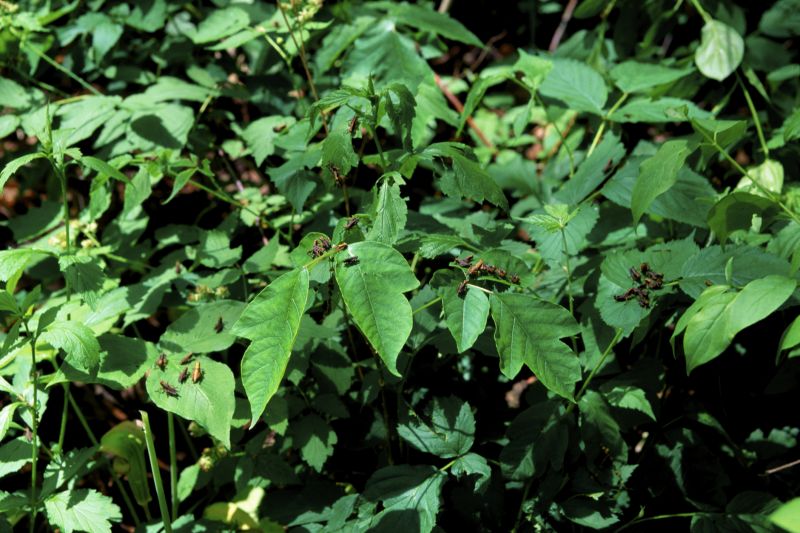
Poison oak removal services involve the safe and effective elimination of poison oak plants from residential properties. These services are suitable for a variety of projects, including clearing overgrown areas, maintaining landscaped yards, or preparing outdoor spaces for new landscaping or recreational use. Property owners typically seek this service to reduce the risk of skin irritation and allergic reactions caused by contact with the plant, especially in areas where children, pets, or outdoor enthusiasts frequently spend time.
Before requesting poison oak removal, property owners should consider the extent of the growth and the location of the plants. It’s helpful to identify whether the plants are in easily accessible areas or if they are intertwined with other vegetation. Understanding the size of the affected area and any specific concerns about nearby structures or landscaping features can assist in planning an effective removal process. Proper removal often involves careful handling to prevent the spread of plant material and minimize exposure to toxins.
Many property owners in Allentown, PA look into Poison Oak Removal for repairs, replacements, upgrades, and appearance-related improvements.
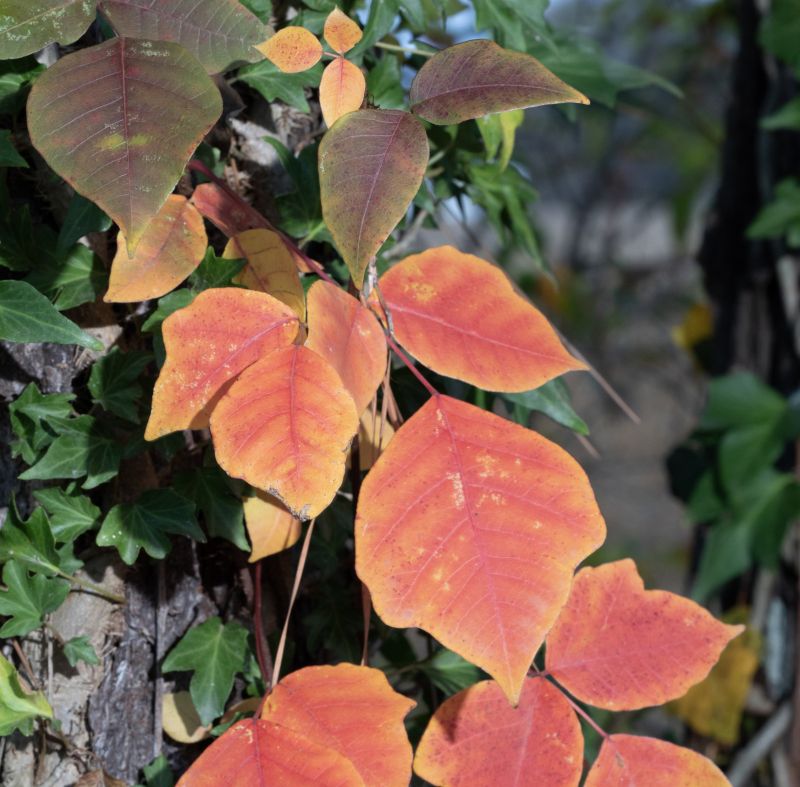
Poison Oak Removal Services
Examples of poison oak removal work property owners may explore in allentown, pa.
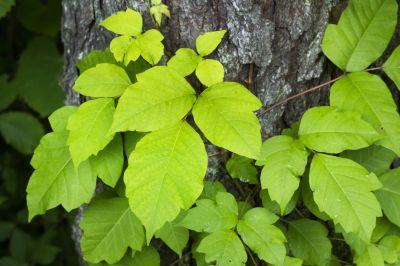
Poison Oak Removal Updates
Common ways people refresh, improve, or restore poison oak removal features in allentown, pa.
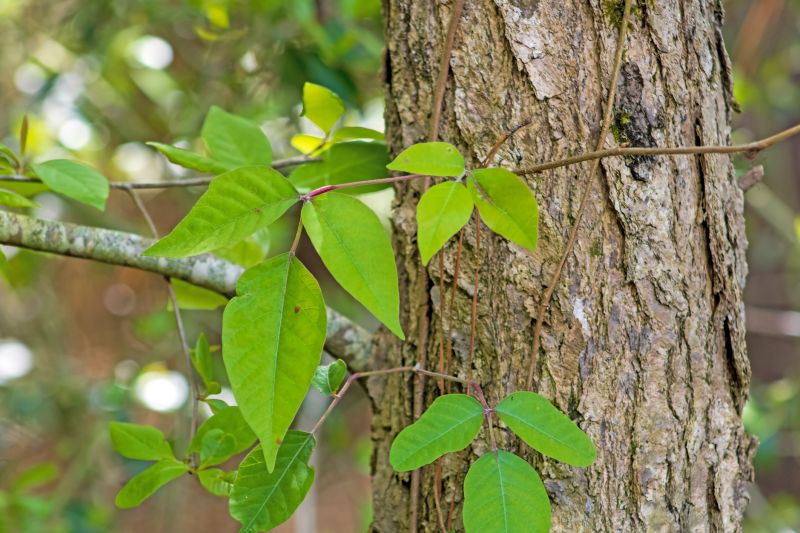
Poison Oak Removal Options
Different styles, layouts, and finishes people consider for poison oak removal in allentown, pa.
Poison Oak Removal in Allentown, PA
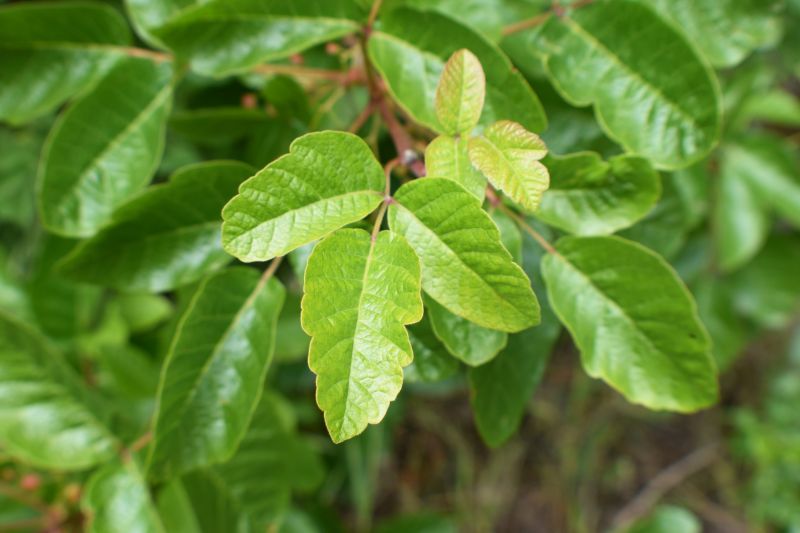
Poison oak removal services involve the safe and effective elimination of poison oak plants from residential properties. These services are suitable for a variety of projects, including clearing overgrown areas, maintaining landscaped yards, or preparing outdoor spaces for new landscaping or recreational use. Property owners typically seek this service to reduce the risk of skin irritation and allergic reactions caused by contact with the plant, especially in areas where children, pets, or outdoor enthusiasts frequently spend time.
Before requesting poison oak removal, property owners should consider the extent of the growth and the location of the plants. It’s helpful to identify whether the plants are in easily accessible areas or if they are intertwined with other vegetation. Understanding the size of the affected area and any specific concerns about nearby structures or landscaping features can assist in planning an effective removal process. Proper removal often involves careful handling to prevent the spread of plant material and minimize exposure to toxins.
Many property owners in Allentown, PA look into Poison Oak Removal for repairs, replacements, upgrades, and appearance-related improvements.
Common Poison Oak Removal Jobs
Poison Oak Removal - Safely eliminates poison oak from residential landscapes.
Yard Clearing - Removes poison oak to restore outdoor spaces for family activities.
Brush and Shrub Removal - Clears overgrown areas with poison oak growth.
Property Maintenance - Prevents poison oak from spreading through regular removal.
Trail and Path Clearing - Ensures safe access by removing poison oak along walkways.
Landscaping Cleanup - Integrates poison oak removal into overall yard and garden care.
Poison Oak Removal Questions
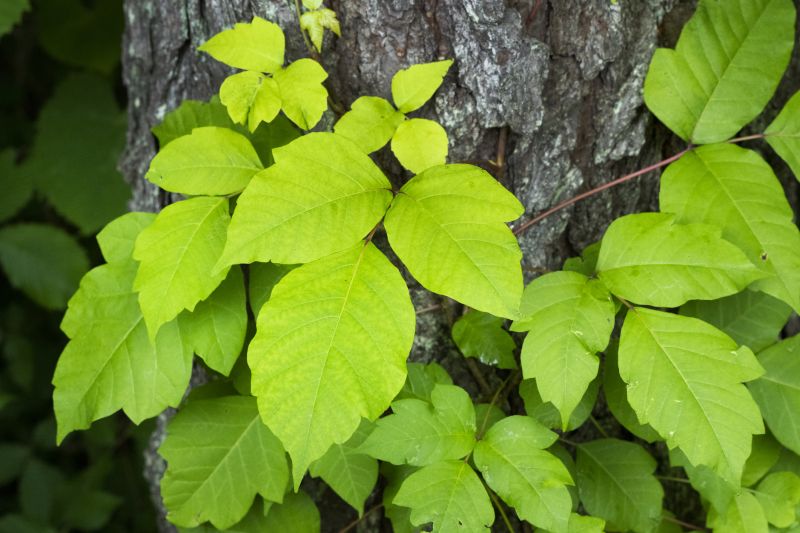
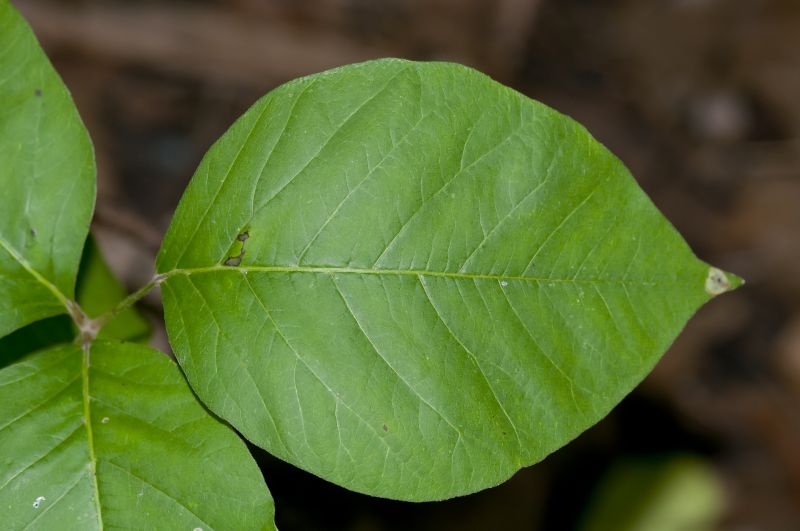
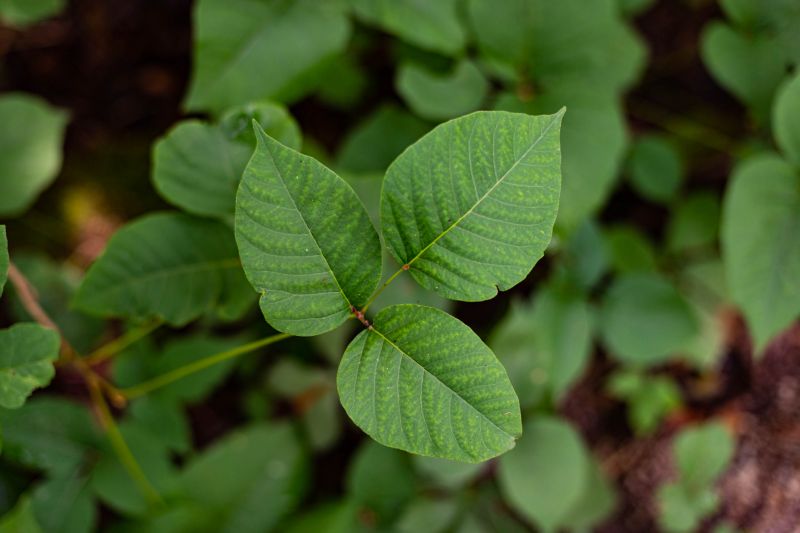
What is poison oak? Poison oak is a plant that can cause skin irritation upon contact, commonly found in wooded or brushy areas around Allentown.
How can poison oak be identified? It typically has clusters of three leaflets with a shiny, reddish appearance, especially in spring and summer.
Why remove poison oak from a property? Removing poison oak helps prevent skin reactions and keeps outdoor spaces safe for families and pets.
What methods are used for poison oak removal? Removal often involves careful cutting, herbicide application, and disposal to ensure the plant does not regrow.
Request Poison Oak Removal in Allentown, PA
Use the quote form on this page to share the basics of your project and request more information for the type of work you need.